Villa in Lazio
10 guests · 5 bedrooms · 5 baths
Reasons to book
Guests love it hereGuests give this property a top rating
Top-tier experienceA high end property in this area
Book with confidenceWe partner with the top travel sites so you know you're getting a great deal on the perfect rental
About this villa rental
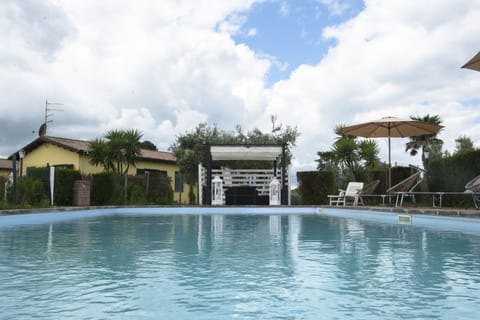
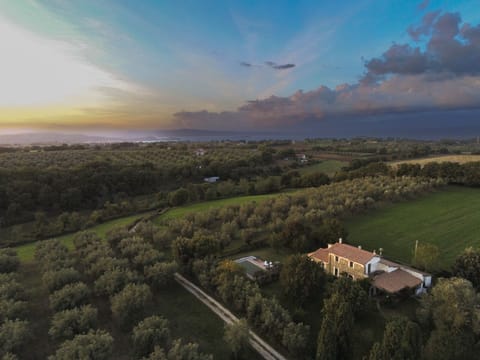
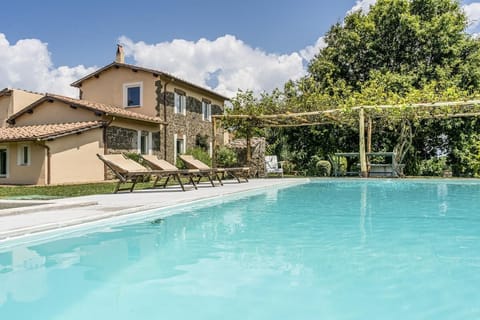
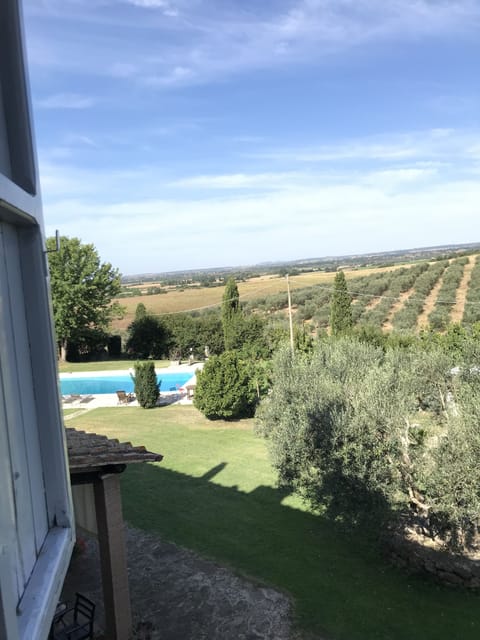
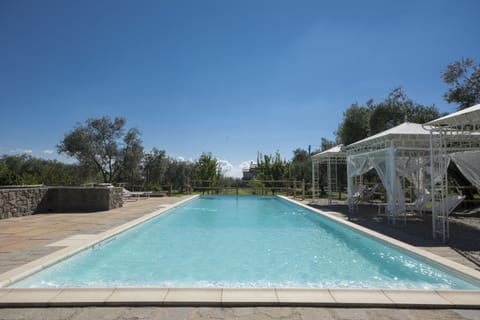
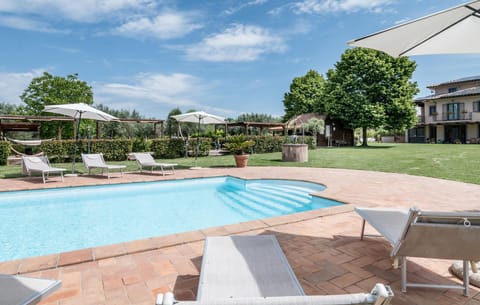
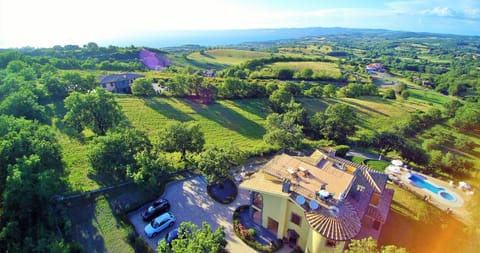
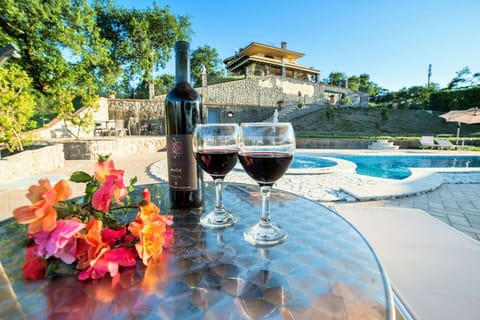
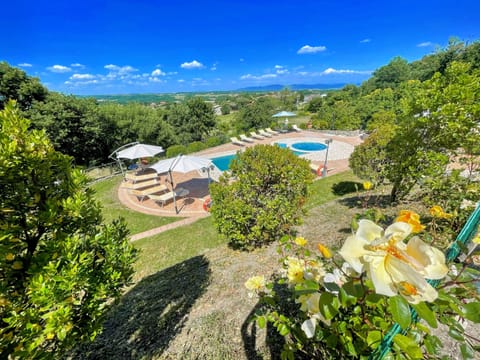
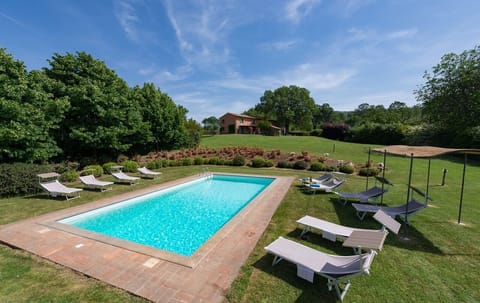
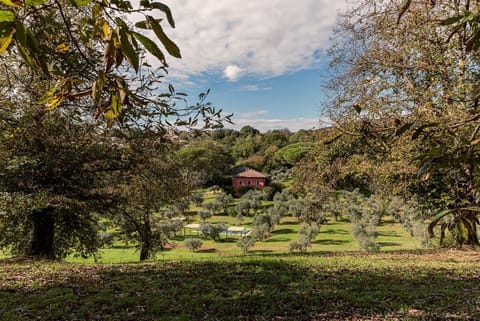
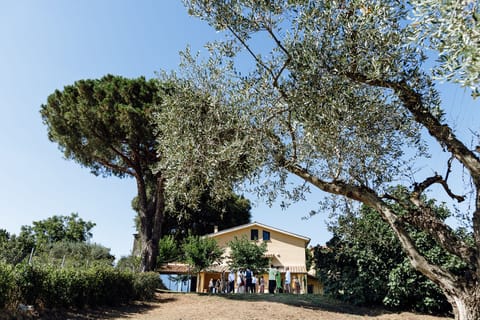
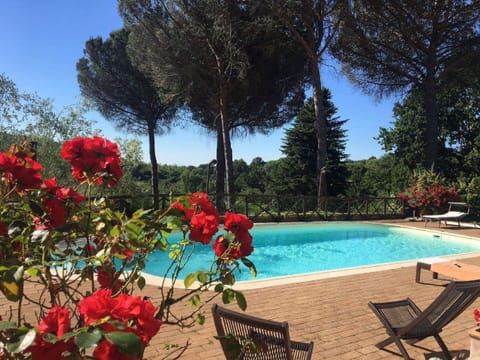
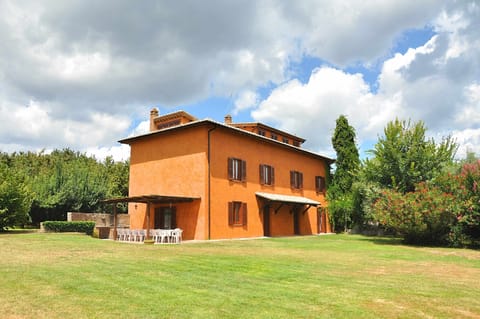
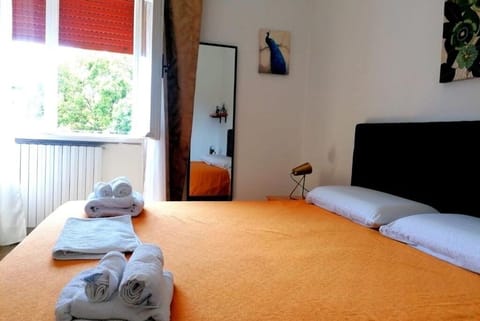
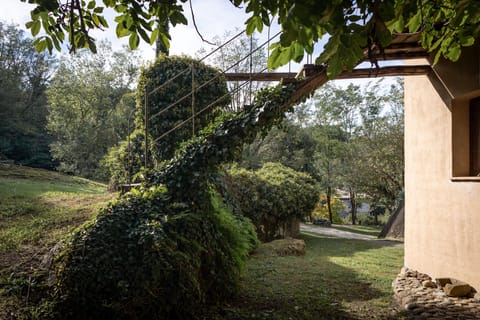
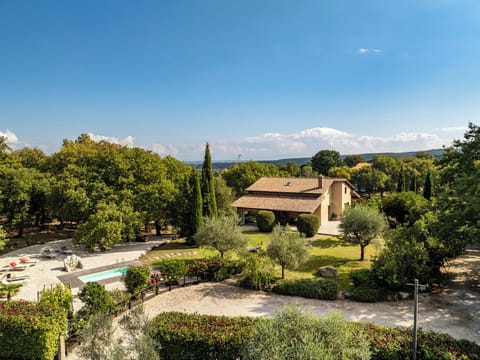
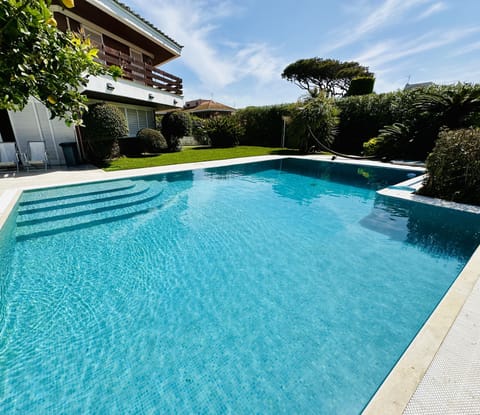
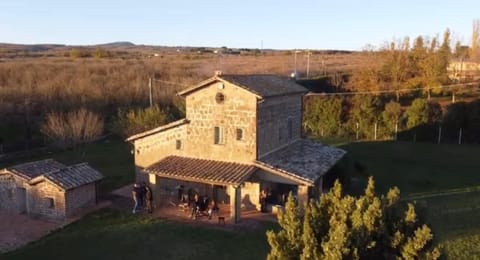
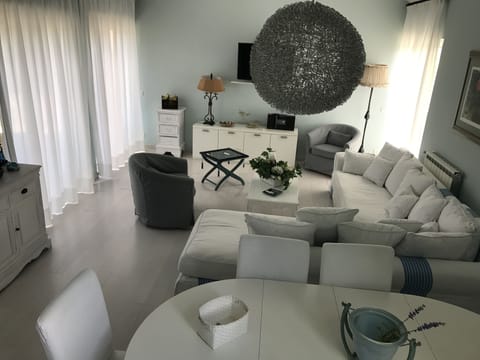
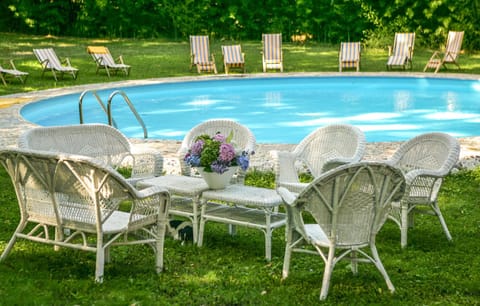
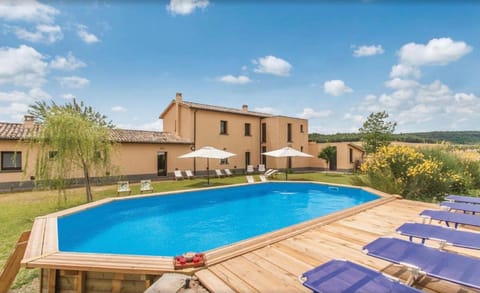
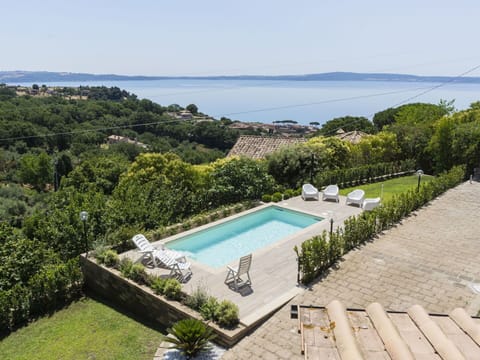
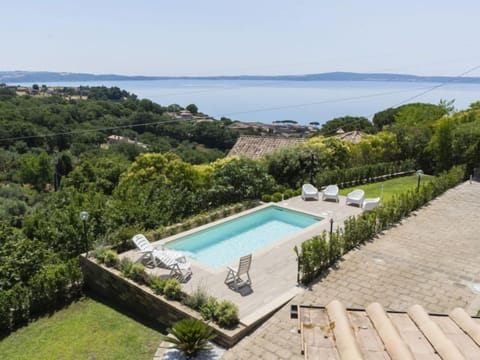
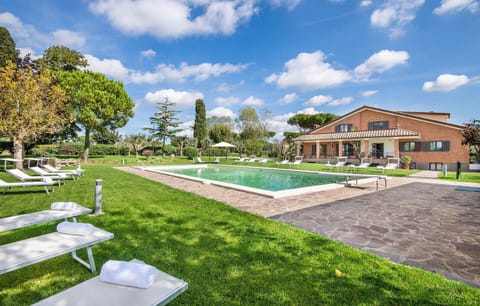
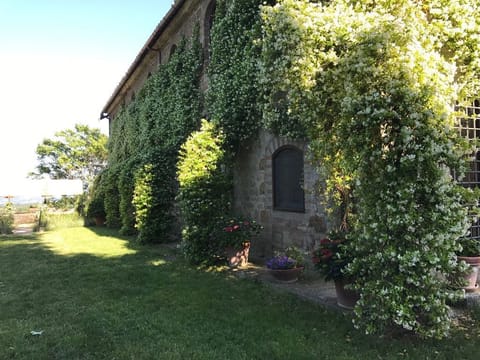
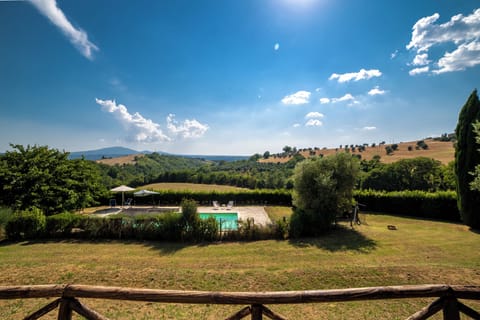
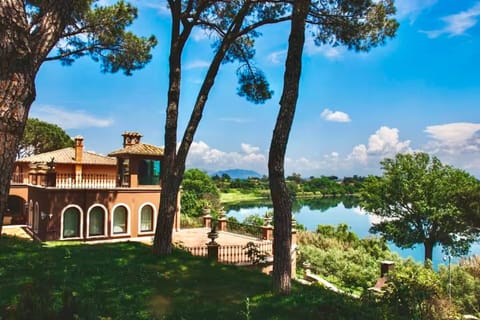
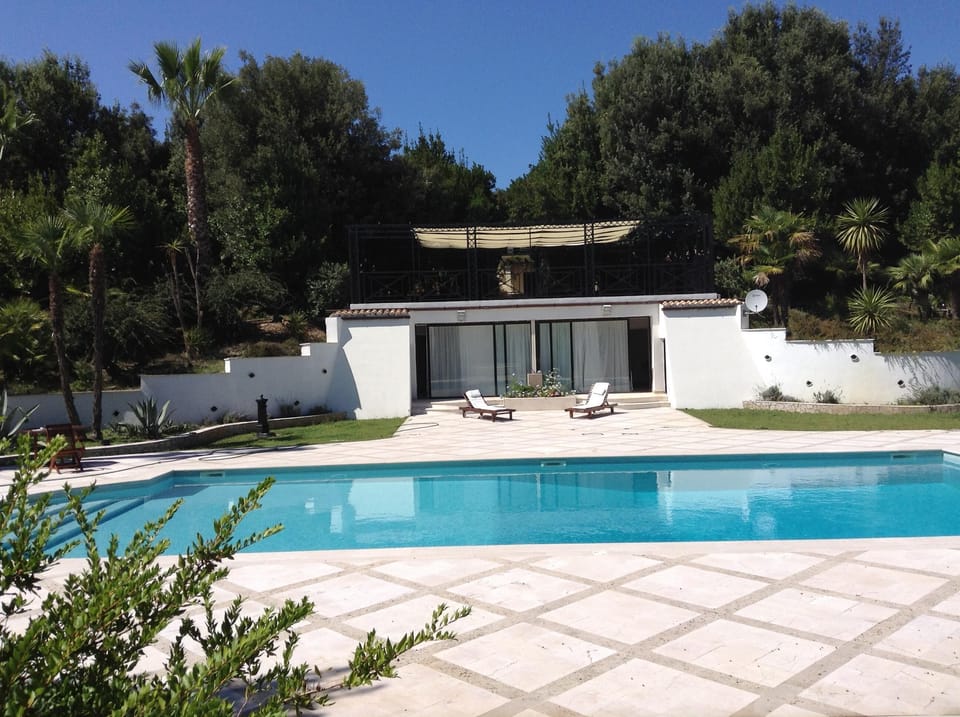
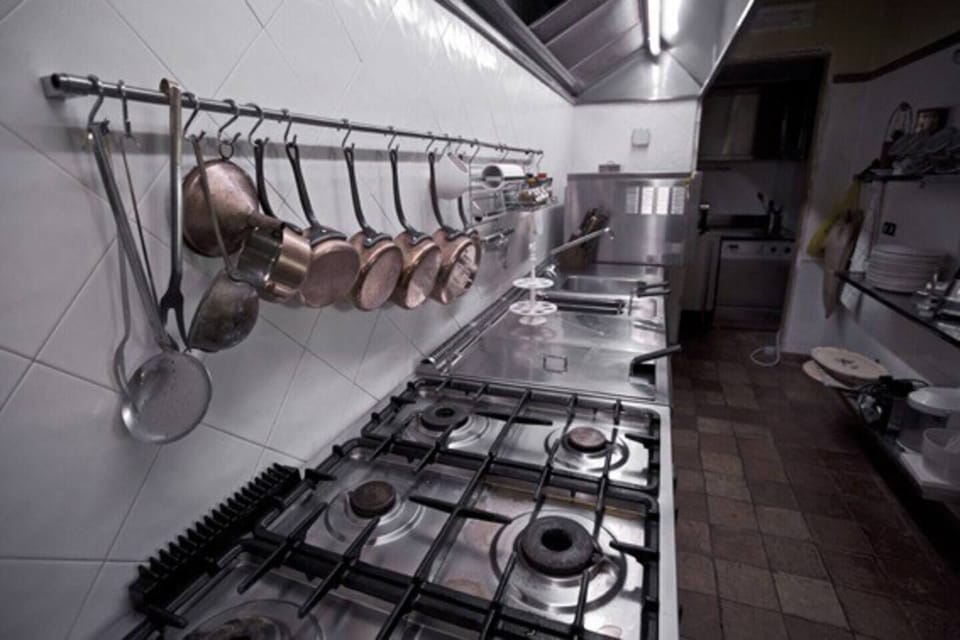
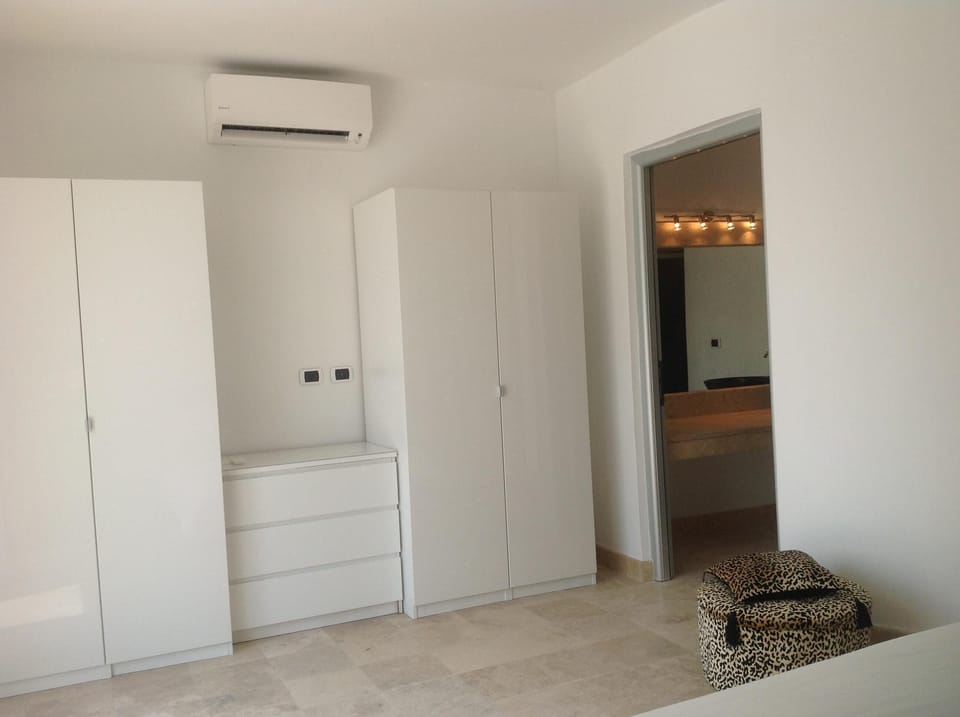
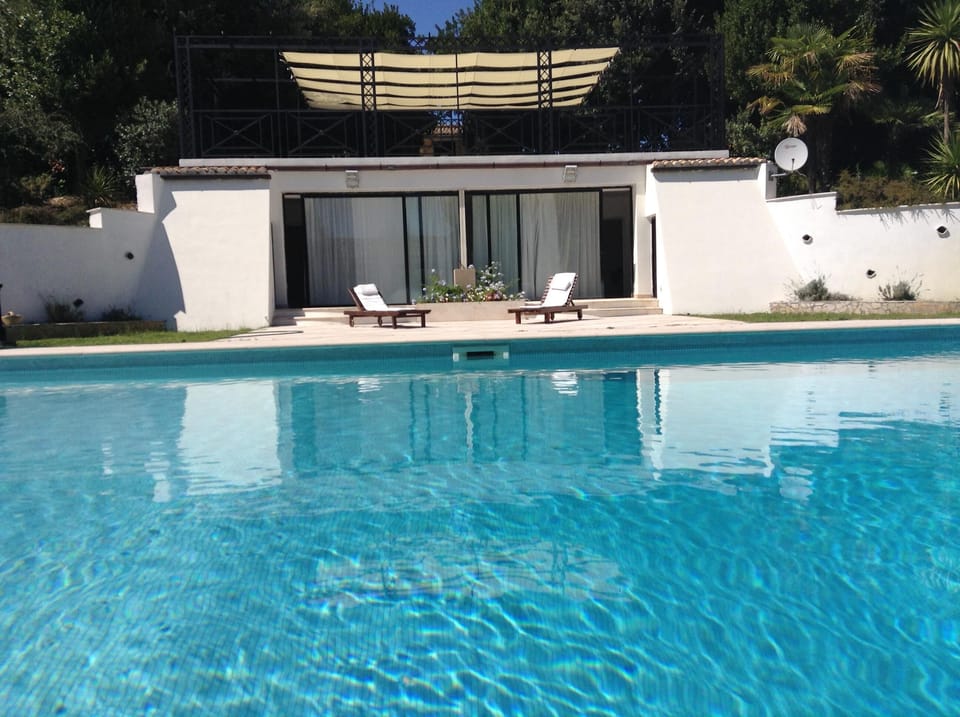
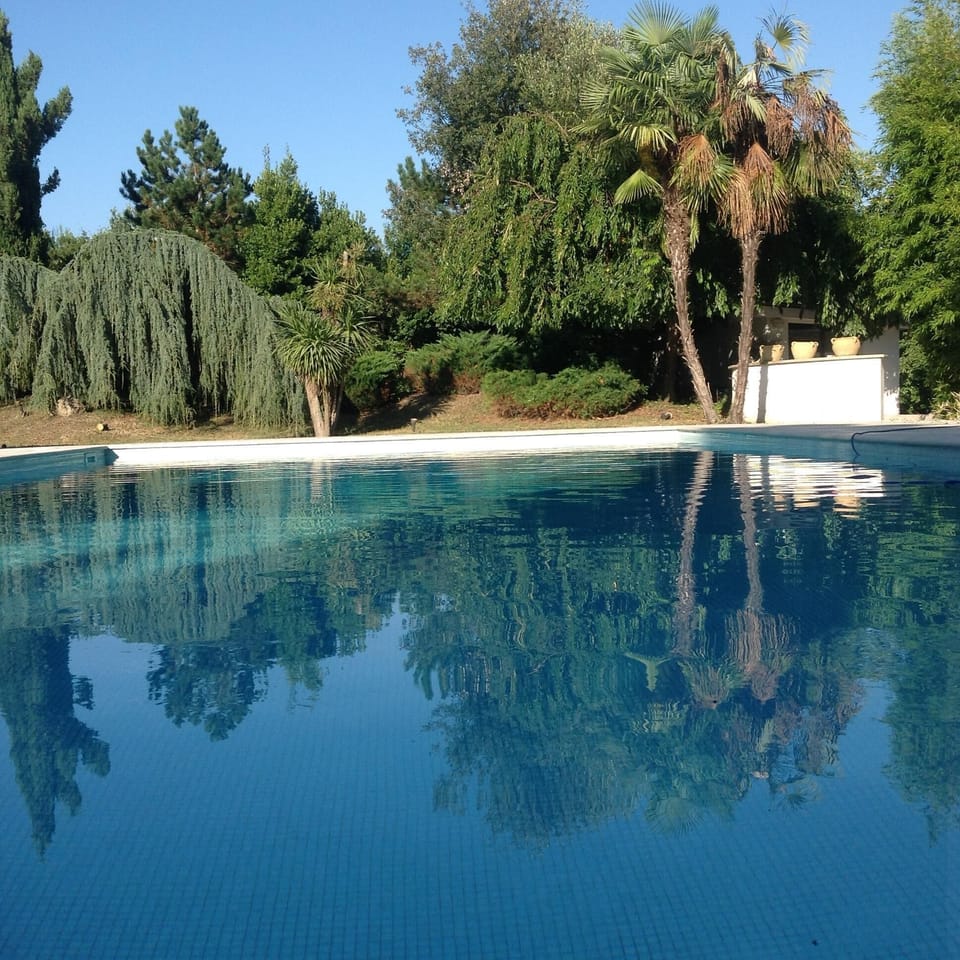
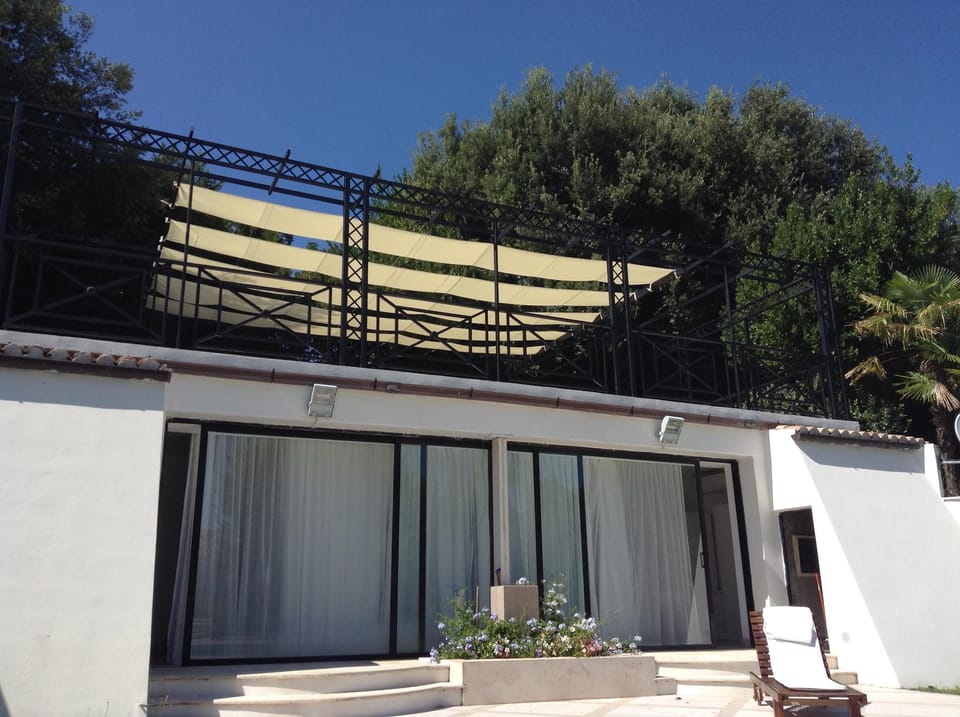
beautiful villa with large swimming pool surrounded by a park that is a natural reserve (Parco di Veio) of century-old trees of 15. 000 square meters, ideal for resting but also for a cultural holiday, in fact you can reach ROME IN 30 MINUTES with its beauties , but also the lakes, the sea and all the characteristic villages of Tuscia Laziale. The villa is built with ancient materials, with great care of the finishing touches and with fine furnishings and can accommodate up to 10 people plus two children up to three years, ideal for a vacation in a charming place that allows you to alternate days of absolute rest and entertainment in the garden and swimming pool, with days spent visiting Rome for shopping and dinners in typical places. Adjacent to the pergola of the outdoor dining area equipped with large tables in antique terracotta, there is a large barbecue to prepare tasty grills in the company and after the large lawn in front of the house leads to the panoramic terrace overlooking the pool equipped with a kitchen and a large living room and where there are 2 of the 5 bedrooms available. A country house to live in even two or three families. The outdoor pool, in exclusive use, with sunbeds, deckchairs, shower and towels to dry, makes the house unique for a stay in the summer period. A paradise for children and young people, a place to rediscover the pleasure of playing freely in contact with nature. Numerous activities nearby make your holiday even more fascinating, the sailing school at Lake Bracciano, the national golf course in Sutri, the numerous riding schools, and the numerous archaeological sites of Tuscia. Not only Rome therefore, but also an opportunity to cultivate your interests in contact with nature, or simply take a few days of relaxation away from the smog and chaos of the city.
The nature reserve, the Parco di Veio extends in the area of northern Rome, delimiting Via Flaminia, Via Cassia and the provincial road Campagnanese. There are many places of interest to visit that cover both an inestimable naturalistic and cultural value.
Parco di Veio, a bit of history: The history of the Parco di Veio has very ancient origins and the testimonies are still visible today in the territory; from the villages of huts of prehistoric times to the fortified medieval villages, from Roman and Renaissance villas, to the most recent farmhouses built in the last century. It was 1916, when the large Apollo terracotta statue was found in the area of what was once the Sanctuary of Portonaccio. We are inside the Parco di Veio, and the statue with the big smile, the braids and the pelpro, has excited illustrious etruscologi, and many the visitors of the Etruscan Museum of Villa Giulia, in which it is kept. The statue, with another nine, twenty-five centuries ago, was placed on the roof of the Etruscan temple of Portonaccio. Among the most ancient and venerated of all Etruria, the Temple stood just outside Rome, in the area of Veio. The ancient Etruscan city, whose ruins are now located in the medieval village of Isola Farnese, was built during the 9th century BC C., entered almost immediately in competition with Rome, for the control of the septem pagi and of the salt pans at the mouth of the river. The oldest part of the temple was dedicated to the Etruscan goddess Menerva, built in the 6th century BC, on a natural terrace overlooking the Fosso Piordo. After the Roman conquest of 396 BC C. the temple was used for another five hundred years or so. After being abandoned in the I century after Christ, the statues, whole or broken, were thrown into a ditch, where they were found in 1916 with the Apollo statue. Today, those who come to visit the Parco di Veio, can dedicate themselves to one of the many cultural itineraries recommended by the Regional Authority or enjoy a more free visit, appreciating the beauties distributed in its vast territory.
Some recommended "mandatory" stages are:
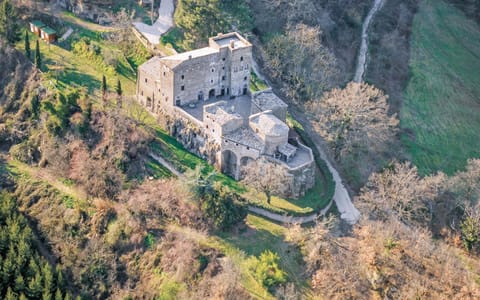
In the area of Campagnano / Formello, the visit of the Sorbo Valleys, included in the list of Sites of Community Importance. The environment is characterized by tuffaceous valleys, pastures of cattle and wild horses. Inside the valleys there is the Sanctuary of the Madonna del Sorbo, initially built as a medieval fortress, and then became a place of pilgrimage dedicated to the Madonna.
Among the remains of the ancient city of Veio, in addition to the Sanctuary of Portonaccio, the archaeological area preserves important monuments, such as the ancient painted tombs of Etruria: the Tomb of the Roaring Lions and the Tomb of the Ducks.
The Quarti, that is immense expanses of pastures where to fully enjoy the naturalistic beauties of the Park.
The Borgo di Isola Farnese, of medieval origin.
Villa Livia, the rich residence of the Empress Livia, Octavian's wife. The villa is famous for the fresco with a view of the garden, now exhibited at the National Roman Museum - Palazzo Massimo, but proposed on the spot life-size in the underground complex of the villa. The entrance to the archaeological area is preceded by a small Antiquarium that preserves the materials coming from the excavations of the complex.
http: // www. prolocoroma. en / the-park-of-veio-roma /
The nature reserve, the Parco di Veio extends in the area of northern Rome, delimiting Via Flaminia, Via Cassia and the provincial road Campagnanese. There are many places of interest to visit that cover both an inestimable naturalistic and cultural value.
Parco di Veio, a bit of history: The history of the Parco di Veio has very ancient origins and the testimonies are still visible today in the territory; from the villages of huts of prehistoric times to the fortified medieval villages, from Roman and Renaissance villas, to the most recent farmhouses built in the last century. It was 1916, when the large Apollo terracotta statue was found in the area of what was once the Sanctuary of Portonaccio. We are inside the Parco di Veio, and the statue with the big smile, the braids and the pelpro, has excited illustrious etruscologi, and many the visitors of the Etruscan Museum of Villa Giulia, in which it is kept. The statue, with another nine, twenty-five centuries ago, was placed on the roof of the Etruscan temple of Portonaccio. Among the most ancient and venerated of all Etruria, the Temple stood just outside Rome, in the area of Veio. The ancient Etruscan city, whose ruins are now located in the medieval village of Isola Farnese, was built during the 9th century BC C., entered almost immediately in competition with Rome, for the control of the septem pagi and of the salt pans at the mouth of the river. The oldest part of the temple was dedicated to the Etruscan goddess Menerva, built in the 6th century BC, on a natural terrace overlooking the Fosso Piordo. After the Roman conquest of 396 BC C. the temple was used for another five hundred years or so. After being abandoned in the I century after Christ, the statues, whole or broken, were thrown into a ditch, where they were found in 1916 with the Apollo statue. Today, those who come to visit the Parco di Veio, can dedicate themselves to one of the many cultural itineraries recommended by the Regional Authority or enjoy a more free visit, appreciating the beauties distributed in its vast territory.
Some recommended "mandatory" stages are:
In the area of Campagnano / Formello, the visit of the Sorbo Valleys, included in the list of Sites of Community Importance. The environment is characterized by tuffaceous valleys, pastures of cattle and wild horses. Inside the valleys there is the Sanctuary of the Madonna del Sorbo, initially built as a medieval fortress, and then became a place of pilgrimage dedicated to the Madonna.
Among the remains of the ancient city of Veio, in addition to the Sanctuary of Portonaccio, the archaeological area preserves important monuments, such as the ancient painted tombs of Etruria: the Tomb of the Roaring Lions and the Tomb of the Ducks.
The Quarti, that is immense expanses of pastures where to fully enjoy the naturalistic beauties of the Park.
The Borgo di Isola Farnese, of medieval origin.
Villa Livia, the rich residence of the Empress Livia, Octavian's wife. The villa is famous for the fresco with a view of the garden, now exhibited at the National Roman Museum - Palazzo Massimo, but proposed on the spot life-size in the underground complex of the villa. The entrance to the archaeological area is preceded by a small Antiquarium that preserves the materials coming from the excavations of the complex.
http: // www. prolocoroma. en / the-park-of-veio-roma /
Amenities at Luxory villa with pool 20 minutes from Rome
Non-smoking
No pets allowed
Family friendly
Map of Lazio

Ratings and reviews
 Summary of reviews
Isabella, the owner, is kind and welcoming. The villa is clean with a swimming pool and garden, perfect for enjoying the outdoors and having barbecue. Would love to come again!
10.0 / 10.0Outstanding·Oct 2019
Plenty of space and privacy. Great place for a large family or group of friends.
10.0 / 10.0Outstanding·Jul 2018
I have enjoyed my stay in this villa, I was with my family and we spent very nice time there, Isabella (the owner) she is so kind and welcoming person, the house is very clean and there is swimming pool and garden yard and you can enjoy the weather outside, also you can make barbecue outside
I really would like to come again
6.0 / 10.0Average·Sep 2023
Isabella is a wonderful host and her on-site caretaker was extremely helpful. The house and property are huge but unfortunately all the pictures on VRBO were taken over 20 years ago. The kitchen is not a working kitchen and many repairs need to be done. However, the area is restful and there are wonderful restaurants nearby.
$$$$

Top rated by guests

8.4Excellent
(5 Ratings)
Isabella, the owner, is kind and welcoming. The villa is clean with a swimming pool and garden, perfect for enjoying the outdoors and having barbecue. Would love to come again!
From real guest reviews summarized by AIDon't miss out! Price and availability may change