

KEY TAKEAWAYS
- These hotel booking hacks help travelers identify pricing differences, access broader inventory, and capture added value beyond the nightly rate.
- Comparing multiple providers increases the likelihood of finding better availability, room types, and bundled savings.
- Strategic timing, loyalty benefits, and flexible booking policies can help reduce overall trip costs.
- Small tactics, such as monitoring price alerts or requesting room preferences, can significantly improve the travel experience without increasing spend.
Hotel prices continue to shift as travel demand stabilizes, underscoring the importance of smarter strategies to secure greater value from the same inventory.
Planning everything from quick city stays to the best romantic getaways often reveals meaningful differences in price, availability, and perks across booking providers and channels.
These hotel booking hacks highlight practical ways to increase flexibility and access benefits that improve the overall stay experience. Combining these tactics can help reduce hotel spend while securing better room types or added amenities, creating more consistent value across destinations.
1. Target the Shoulder Season
Shoulder season refers to the period between peak and off-peak travel dates. Travelers often experience fewer crowds, shorter wait times, and more room availability during these periods.
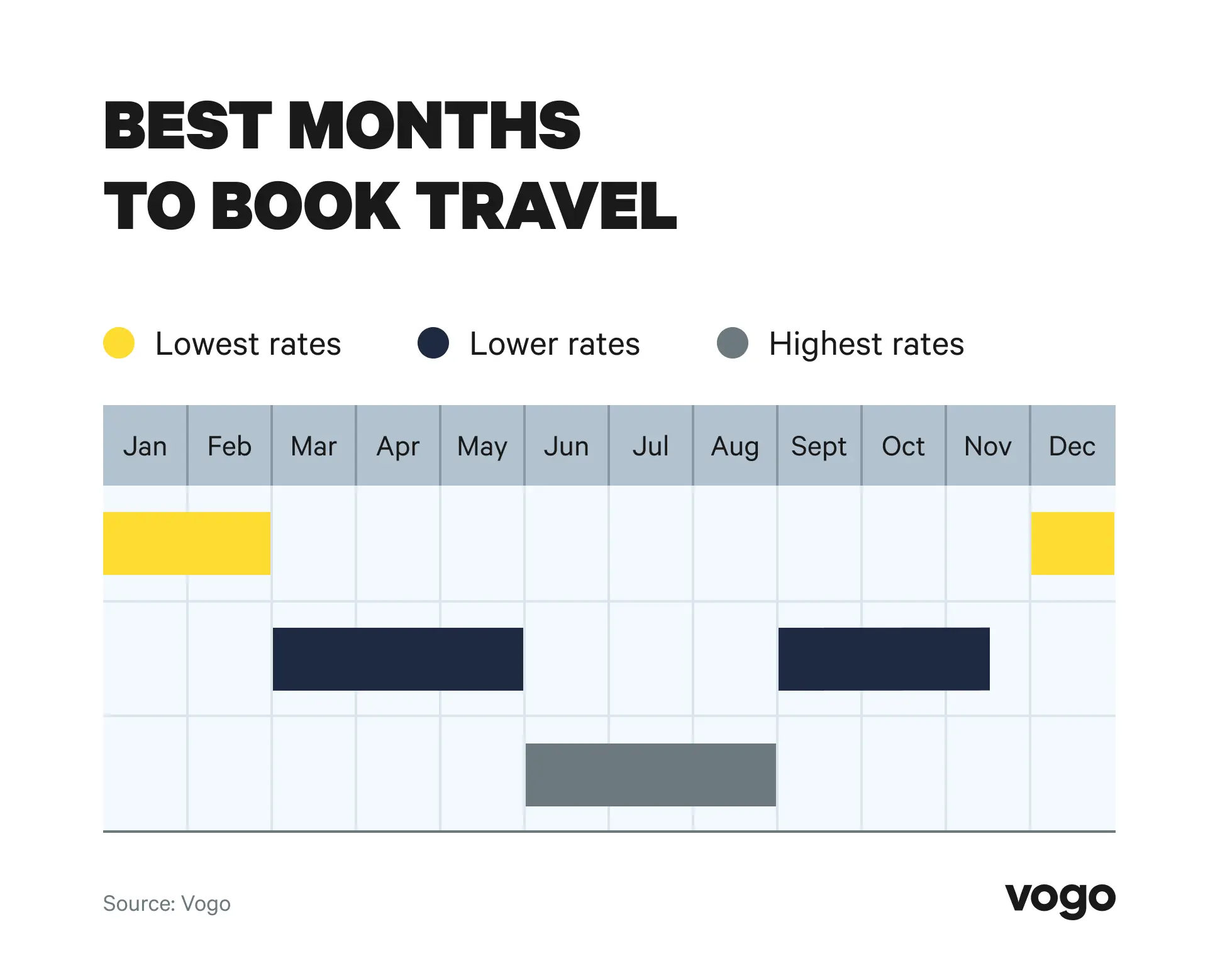
Booking early within shoulder season windows increases the likelihood of securing preferred room categories at reduced prices. Traveling during these in-between periods can also improve the overall experience. Destinations are typically less crowded, which means shorter lines, more availability for tours and activities, and a more relaxed pace. Weather is often still favorable, but without the extremes that can come with peak seasons, making it easier to plan outdoor experiences.
For travelers looking to balance cost, comfort, and convenience, shoulder season offers a practical middle ground. You can often enjoy many of the same benefits as peak travel, but with fewer trade-offs in price and availability. Below are common shoulder seasons by region:
| Region | Shoulder season windows |
|---|---|
| Europe | April–May; September–October |
| Caribbean | April–June; September–early November |
| Mexico | May–June; September–October |
| Hawaii | April–May; September–mid-November |
| Southeast Asia | May–June; September–October |
| Japan | Late May–June; September–October |
| Australia & New Zealand | March–May; September–November |
| United States (major cities) | April–May; September–October |
Travel timing varies with climate patterns and local tourism demand, but the shoulder seasons consistently offer strong value for travelers seeking balanced weather, pricing, and availability.
2. Bundle Hotels with Flights
Travel providers often apply discounted hotel pricing within bundled flight packages. Because pricing appears as a combined total, deeper hotel discounts may not appear when searching for accommodations separately, making this approach one of the more useful hotel reservation tips for identifying packaged value.
Bundled bookings may also include logistical benefits such as airport transfers or simplified itinerary management. However, bundle pricing can be more complex to compare across platforms and may require additional time to evaluate alongside standalone flight and hotel options.
Comparing bundled pricing against standalone reservations can reduce overall vacation cost, particularly when packages include transportation or additional amenities.
3. Call the Front Desk
Contacting the hotel directly may reveal availability details that central reservation systems do not always display. Property staff can provide guidance on room availability, upcoming occupancy levels, or specific room preferences.
Travelers who communicate flexible timing or special occasions sometimes gain access to additional room considerations, particularly during periods of lower occupancy.
4. Ask for Upgrades at Check-In
Hotel loyalty programs can also play a key role in securing upgrades, as members often receive priority for better room assignments, complimentary upgrades, or early access to available inventory based on status tier. Travelers can secure better rooms by politely asking about upgrade availability at check-in. A simple request for available corner rooms or suites may reveal higher-category options that remain unassigned.
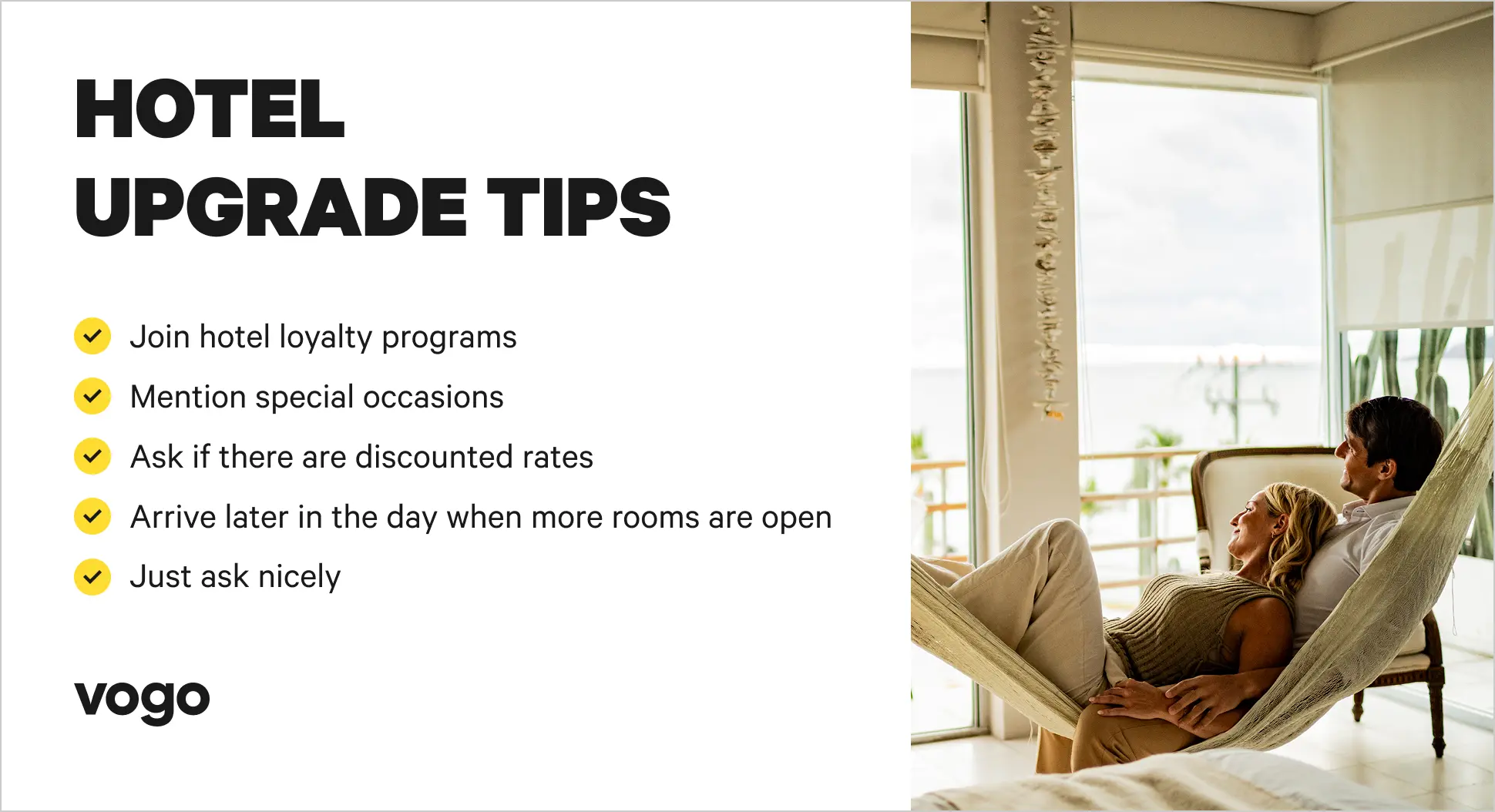
Checking in around 4:00 pm increases the chance of securing an upgrade, as the front desk typically knows which rooms are fully cleaned and unassigned. Requesting specific features, such as a higher floor, a room away from elevators, or a quieter location, can improve the likelihood of receiving a higher room category when availability allows.
5. Book Non-Refundable Rates
Non-refundable rates often offer lower nightly rates than flexible booking options. Hotels discount these rates because they guarantee occupancy, allowing travelers to access meaningful savings when plans remain firm. This approach can reduce total trip costs, especially for high-demand destinations or peak travel periods.
However, non-refundable bookings carry risk. Changes to travel dates or cancellations typically result in the forfeiture of the full reservation cost. Travelers should confirm itinerary details, carefully review cancellation policies, and consider travel insurance if plans may change.
When used strategically, non-refundable rates can provide strong value and rank among the most effective hotel booking tips for reducing costs without compromising overall travel flexibility.
6. Compare Broad Hotel Inventory
Accommodation comparison platforms aggregate inventory from multiple partners, enabling travelers to evaluate a wide range of properties in a single search. Instead of relying on a single provider, these marketplaces make it easier to explore options that align with individual travel priorities, like:
- Different price ranges
- Neighborhoods
- Property types
This broader approach helps travelers identify accommodations that match their preferences for location, amenities, and overall experience, rather than focusing only on price for a single property. Many platforms also offer helpful tools such as filters, flexible date comparisons, and price alerts to support more informed decision-making.
Platforms such as Vogo provide a convenient starting point for exploring diverse inventory across hotels and alternative accommodations. Starting the search with a comparison marketplace can help travelers build a shortlist that balances budget considerations and trip-specific needs before finalizing their booking.
7. Check for Mobile-Only Rates via Apps
Some travel providers offer mobile-only pricing to encourage bookings through their apps or mobile websites. These discounts help drive mobile engagement while giving travelers access to additional savings opportunities. Companies that occasionally feature mobile-only rates include:
- Expedia
- Hotels.com
- Vrbo
- Booking.com
Travelers can typically identify these offers by the “Mobile-only price” label shown in the app or mobile search results. Checking pricing on a mobile device, even after finding a strong desktop rate, helps confirm whether there are additional savings available.
Comparing app and mobile web pricing alongside broader search results can help ensure the most competitive rate before completing a reservation. As mobile booking continues to grow, platforms such as Vogo are also expanding mobile experiences to support more flexible trip planning.
8. Use Premium Credit Card Travel Portals
Premium travel credit cards can increase the value travelers receive when redeeming points for hotel bookings. Programs associated with cards such as Chase Sapphire or American Express Platinum often provide higher point redemption rates when reservations are completed through their travel portals.
Note: These portals make it easy to apply points toward hotel stays, but inventory may be more limited than on major online travel agencies or accommodation search platforms.
Understanding how to use credit card points for hotels allows travelers to offset nightly rates or upgrade to higher room categories without significantly increasing total trip spend.
Many cards also include annual hotel credits that automatically apply to eligible bookings. For example, a $50 annual hotel credit from a card such as Chase Sapphire Preferred can reduce the effective cost of a short stay or supplement loyalty benefits already included with the reservation.
9. Use Business or Corporate Rates
Corporate travel programs can offer discounted hotel rates to eligible travelers, including small business owners and employees who book through portals such as Booking.com and Expedia. These negotiated rates often reduce costs compared to standard pricing, making them great luxury travel hacks for maintaining quality while lowering spend.
Travelers should confirm whether personal trips qualify and check whether the hotel requires verification at check-in, such as a corporate ID or business email address. Confirming eligibility in advance helps prevent rate adjustments and ensures the booking aligns with program requirements.
10. Try the Book-and-Rebook Strategy
The book-and-rebook strategy involves reserving a fully refundable hotel rate several months in advance to secure availability while maintaining flexibility.
Because hotel prices often fluctuate with demand, travelers can benefit from locking in an initial rate and continuing to monitor pricing trends leading up to the stay date.
Automated price alerts help track rate changes and identify meaningful drops over time. If the price decreases, travelers can cancel the original reservation and rebook the same room at a lower rate.
11. Filter for One Child Instead of Two
Some booking platforms filter room availability based on the number of children entered in the search. In certain cases, searching for one child instead of two can reveal additional room types that may still accommodate a family using existing bedding, such as sofa beds or two queen beds.
This approach can help travelers discover more flexible configurations when researching the best family resort options. After identifying a suitable room, travelers should contact the hotel directly to confirm whether existing bedding can accommodate the additional child and whether any supplemental fee applies.
This step ensures transparency around occupancy policies and avoids the automatic requirement to book higher-priced Family Suites when alternative room layouts may still meet the family’s needs.
12. Monitor Social Media and Newsletters
Hotels and travel providers frequently release limited-time promotions through social media and email newsletters, including flash sales that may last only 24 hours. For example, marking travel brands as “Favorites” in email inboxes helps travelers identify time-sensitive offers before they expire.
These alerts often provide early access to:
- Seasonal promotions
- Member-exclusive rates
- Bundled travel incentives
Travel deal newsletters such as Travelzoo and Secret Flying also aggregate discounted hotel stays across global destinations. Monitoring hashtags like #HotelDeals or #TravelDeals on social platforms can help surface real-time promotions shared by hotel brands and travel partners.
Subscribing to a small set of trusted newsletters and brand emails can make it easier to identify opportunities without actively searching for deals.
13. Check Warehouse Club Travel Portals
Warehouse membership programs such as Costco Travel and Sam’s Club Travel sometimes provide bundled hotel packages or member-only rates that include added value beyond the nightly price. These platforms may combine accommodations with travel perks or promotional incentives available exclusively to members.
Some packages include extras that are not reflected in the base room rate, such as complimentary breakfast, parking, or resort credits. Costco Travel, for example, occasionally offers a Costco Shop Card incentive that provides a rebate after the stay.
14. Stack Loyalty Program Benefits
Many hotel and travel platforms offer free loyalty programs that unlock immediate Member Rates and added perks. Programs available through partners such as Expedia and Booking.com allow travelers to access reduced pricing tiers or value-added benefits simply by creating an account. Enrollment typically takes only a few minutes and can provide ongoing savings across multiple bookings.
Stacking loyalty benefits with seasonal promotions or limited-time offers can accelerate the path to free nights or room upgrades. Even entry-level membership tiers often include practical savings beyond the nightly rate, such as complimentary Wi-Fi, bottled water, or late checkout.
15. Book Directly With the Hotel for Hidden Perks
Hotels occasionally promote direct bookings through Best Price Guarantee policies, which may match publicly available rates for the same room type and travel dates.
In many cases, prices remain similar to those listed on major online travel agencies (OTAs), but booking directly can sometimes provide added flexibility or small benefits.
Direct reservations may include perks that are not always visible on third-party platforms, such as preferred room placement, late checkout, early check-in, or waived resort fees. These benefits can enhance the overall stay experience, even when the nightly rate is comparable across booking channels.
Some of these advantages may require joining a hotel’s loyalty program, and higher-tier benefits are often reserved for travelers who frequently stay within the same brand.
While direct booking does not always result in lower pricing, it can offer incremental value for travelers who prioritize consistency, flexibility, or personalized service.
16. Apply AAA or AARP Discounts
AAA and AARP memberships can unlock consistent hotel savings at many major chains. AARP membership is available to travelers of any age and often offers up to 10% off discounts at participating properties.
Brands such as Best Western, Hilton, Marriott, and Wyndham frequently offer AAA or CAA rates, making these programs a reliable way to reduce nightly costs across a range of destinations.
Most properties require verification at check-in, which may include presenting a physical membership card or digital proof through a mobile account.
Travelers may also find similar discounts through military or government rates, depending on eligibility. Confirming qualification requirements in advance helps ensure the hotel applies the discounted rate upon arrival.
Better Stays Start With Smarter Booking
Using the right hotel booking hacks can help travelers compare more options, identify added value, and better understand how to save on hotel rooms without sacrificing quality.
Starting the search with Vogo lets travelers evaluate inventory across multiple providers while continuing to explore options, such as cheap places to travel, for additional planning inspiration.
Adjustments to booking strategy can lead to better room experiences, stronger flexibility, and more efficient travel budgets.

FAQ
Is it cheaper to book a hotel last-minute or in advance?
Booking in advance usually provides more stable pricing and better room selection, especially for popular destinations. Last-minute apps such as HotelTonight can offer discounts when hotels need to fill remaining inventory, but this works best when demand is low.
If a major event like a concert or sports game is happening nearby, last-minute prices can spike significantly, or rooms may disappear entirely. Flexible travelers benefit most from last-minute deals during off-peak periods, when hotels are more likely to drop prices to fill beds rather than raise them.
What are some tips to negotiate room upgrades?
Travelers looking for how to get a free hotel room upgrade should ask politely at check-in and remain flexible about room features. Arriving around standard check-in time increases visibility into available inventory. Loyalty status, special occasions, and requests for specific features, such as high floors, can improve upgrade chances.
Does clearing my cookies actually lower hotel prices?
Hotel prices typically change based on demand, seasonality, and availability, rather than on browsing history. Incognito mode or comparing prices across devices can help confirm consistency, but tracking prices over time provides better insight into fluctuations.
Can I get a refund if the price drops after I book?
Flexible rates often allow travelers to cancel and rebook if prices decrease before check-in. Non-refundable bookings usually do not allow adjustments, but some credit cards offer price protection benefits that reimburse the difference.
What is the best day of the week to book a hotel?
Mid-week bookings, particularly Tuesday or Wednesday, often show more stable pricing after weekend demand shifts. Comparing rates across multiple days and using price alerts helps identify favorable booking windows.